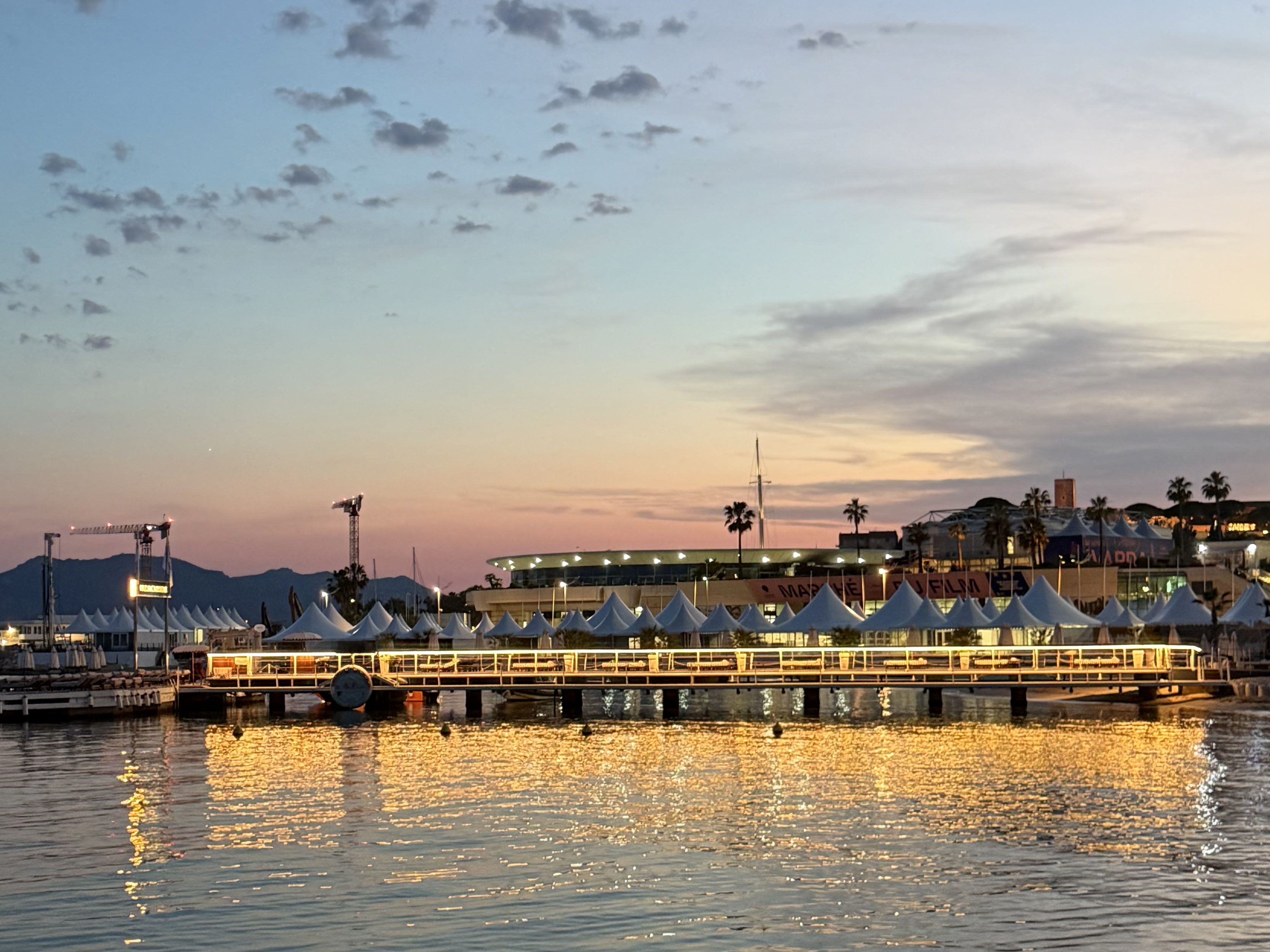
We’re Nothing At All, directed by Herman Yau, makes its world premiere at the 50th Hong Kong International Film Festival.
Blending queer romance with crime thriller elements, the film represents a relatively fresh and unexpected turn within Yau’s prolific filmography.
Spoilers Included
The film opens with a shocking act of violence: a bus explosion in the city centre on Valentine’s Day 2025 that leaves 17 passengers dead. Former forensic investigator Lung (Patrick Tam) is brought back to assist in solving the case. Yau’s camera does not flinch from the brutality—lingering on charred remains, dismembered bodies, and the wreckage of the blast. The visceral imagery recalls the director’s earlier exploitation work, particularly The Untold Story (1993), reintroducing audiences to his penchant for graphic, confrontational visuals.
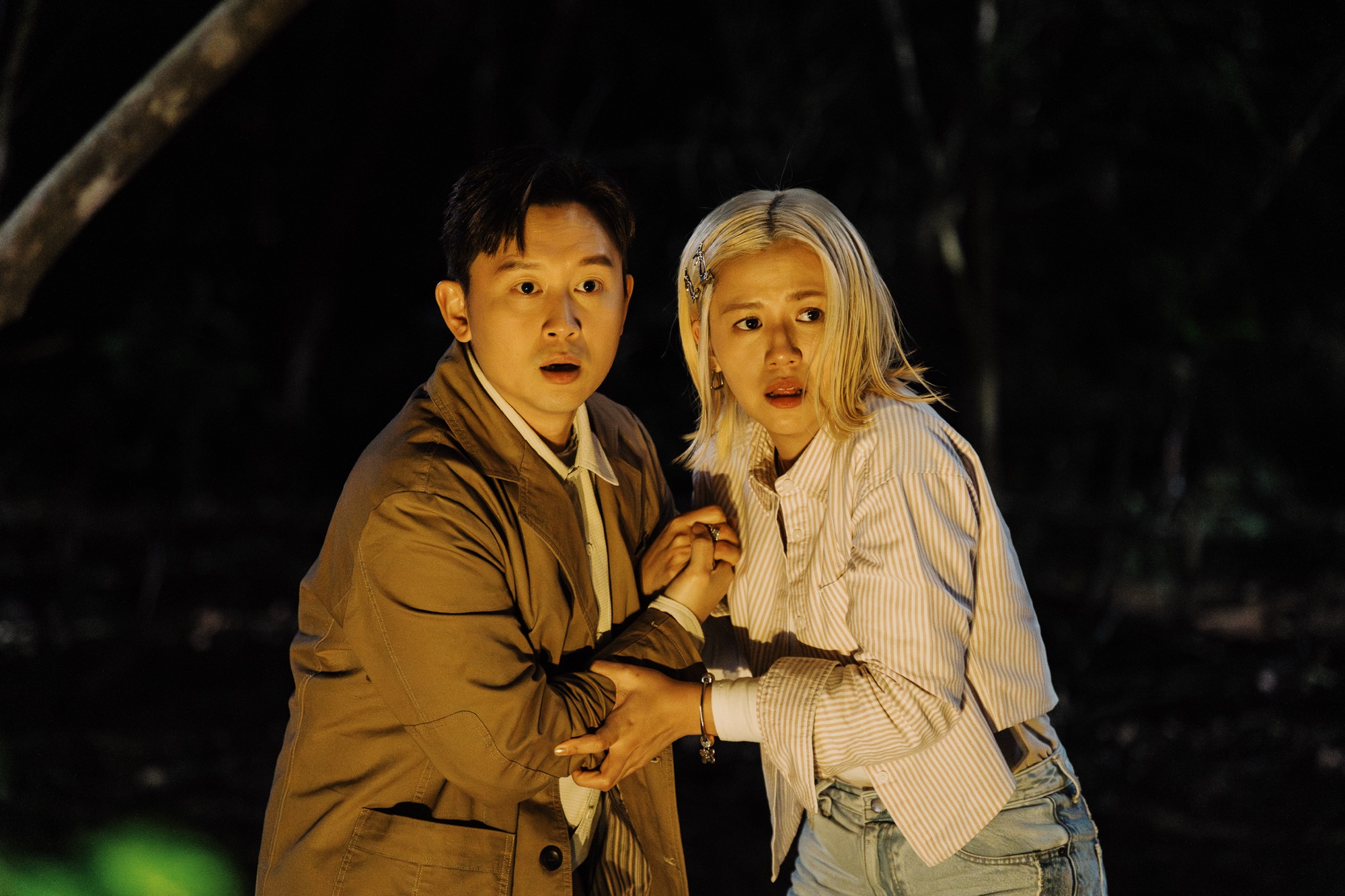
Through a series of flashbacks, the film constructs a parallel narrative centred on Ike (Anson Chan) and Fai (Anson Kong), a young gay couple who were among the victims on the bus. Their bodies remain unclaimed—an absence that underscores their social invisibility. Ike, a struggling street artist sketching portraits along Victoria Harbour, and Fai, a casual labourer drifting between construction sites and restaurant work, live on the margins of Hong Kong society. Sharing a cramped flat, they endure financial instability, social neglect, and systemic indifference.
Yau broadens this portrait of hardship through a network of supporting characters: a contractor unable—or unwilling—to pay wages; a restaurant chef stretched too thin to show kindness; a mother who refuses to discipline her child as she rudely kicks Ike’s seat on a bus; and, above all, a pervasive atmosphere of impatience and hostility. These fragments accumulate into a bleak social mosaic, suggesting that the tragedy is less an isolated act than the inevitable outcome of collective apathy. As a line scrawled on the couple’s door reads: “When an avalanche comes, no snowflake is innocent.”
The film’s sharpest critique is aimed at institutional authority. The police, in particular, are portrayed as rigid enforcers of rules rather than protectors of people. When Fai stages a protest against wage exploitation, officers prioritise clearing the street over hearing his grievances. Ike’s modest street stall is dismantled for illegal vending, his artwork confiscated without hesitation. Yau paints a portrait of a system that suppresses rather than supports, where bureaucracy overrides empathy. This frustration resonates strongly in one of the film’s most darkly comic moments, when a customer hurls tea at a government official on television extolling Hong Kong’s prosperity—prompting laughter and applause from festival audiences.
Despite its compelling social critique, the film’s emotional core—the relationship between Ike and Fai—remains underdeveloped. Their backstories rely heavily on familiar tropes of queer suffering: familial rejection, abuse, and public harassment. While these experiences are undeniably real, the film offers little nuance or specificity in depicting them. More crucially, it fails to convincingly establish the depth of their bond. Their transformation from struggling lovers into perpetrators of mass violence lacks emotional grounding, making their ultimate decision feel abrupt and unearned. By the film’s midpoint, their suicidal intentions are already clear, draining the final act of suspense and narrative momentum. Though inspired by a real case from 1998 in Wuhai, China, the film’s treatment of queer trauma feels dated and somewhat disconnected from contemporary realities. Ike and Fai risk becoming symbolic figures—vehicles for social commentary—rather than fully realised individuals.
The film also struggles with tonal balance. Moments of extreme violence are followed by jarringly timed stylistic choices—most notably the abrupt cut to rolling credits immediately after the opening explosion, which plays like a clumsy, self-conscious joke. Throughout, the film wavers uneasily between solemn tragedy and unintended humour. Even scenes meant to convey intimacy occasionally misfire. In one instance, Fai poses half-naked for Ike to redraw a confiscated portrait—a moment intended to be tender but staged with such heavy-handedness that it provokes laughter rather than emotion.
Yau’s commitment to portraying the struggles of ordinary Hong Kong citizens remains admirable, particularly as he returns to local storytelling after years of co-producing mainland Chinese action films. His anger toward systemic injustice is palpable and, at times, powerfully expressed. Yet We’re Nothing At All ultimately falters where it matters most: emotional credibility.
Without a convincing central relationship to anchor its themes, the film loses its connection with the audience.
Regardless, as Yau’s latest attempt to reconnect with the local industry, it’s still a thoughtful work that deserves a cinematic appreciation by the Hong Kong audience.
We’re Nothing At All is set to be released across cinemas in Hong Kong from 3 April 2026 by Golden Scene.